
DIET AFTER HAIR TRANSPLANT: WHAT YOU EAT AFTER HAIR TRANSPLANT SURGERY
When it comes to recovering from a hair transplant surgery, what you eat plays a big role!
Your body needs the right nutrients to heal and ensure that the new hair follicles thrive. Hence, the diet after hair transplants plays a crucial role in your recovery.
In this guide, we’ll walk you through the foods to add to your plate, the nutrients your hair loves, and some tips on what to avoid—all to help you bounce back strong and confident.
Why Diet Matters for Hair Regrowth After a Transplant
Did you know that what you eat could be the secret ingredient for achieving the best results after your hair restoration? After a transplant, your hair needs all the right nutrients to support healing and strong growth.
However, it’s essential to consult with your healthcare provider before making any significant dietary changes and to follow their instructions carefully. Our surgeons and medical professionals at Clinique de Paris give our patients expert advice tailored to their pre- and post-transplant needs - and that’s what we want for you as well!
By focusing on foods rich in vitamins, minerals, and proteins, you're creating the perfect environment for those new strands to settle in and thrive, helping them grow into healthy, full locks.
What to Eat After Hair Transplant Surgery
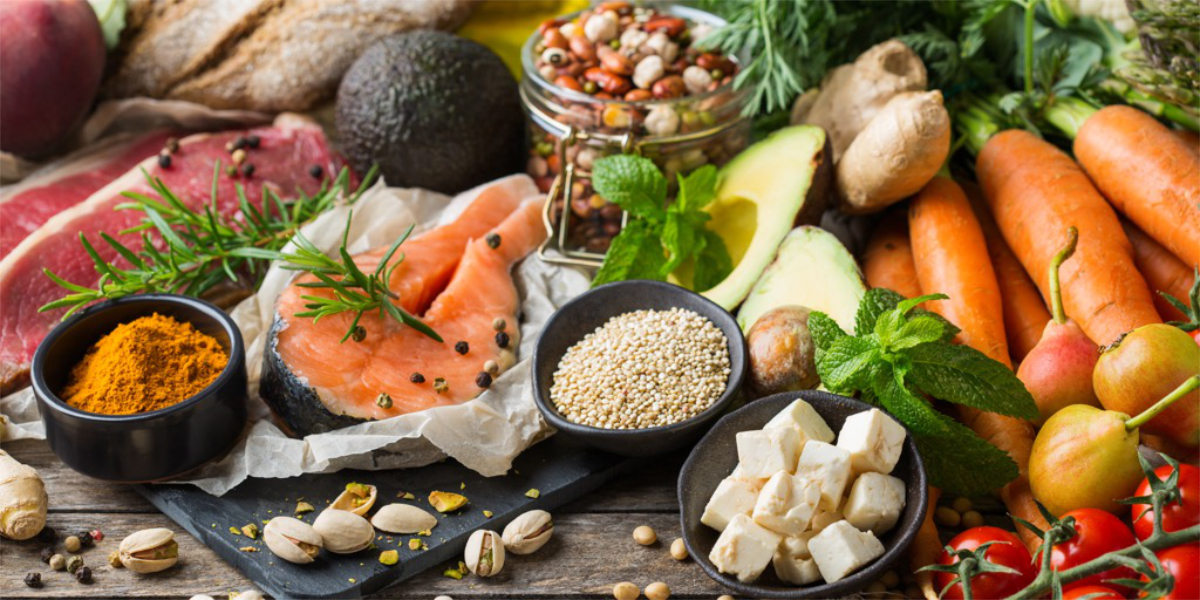
After your hair transplant, your body is hard at work healing and regenerating. Fuel it with nutrient-packed foods to help it along. Focus on these key food groups:
Fruits and Vegetables
Fruits and veggies are loaded with antioxidants, vitamins, and hydration—just what your hair (and skin) need! Load up on:
Fruits: Blueberries, strawberries, and citrus fruits not only taste fantastic but are also high in vitamins and hydration.
Vegetables: Leafy greens like spinach and kale are packed with iron and vitamins A and C, which are essential to support cell growth and scalp health.
Lean Proteins
Since hair is primarily made of protein, it’s essential to include enough of it in your diet. Look for lean sources to promote tissue repair and growth:
Protein Options: Go for lean sources like chicken, turkey, fish, eggs, or plant-based proteins like tofu and lentils. Protein will help repair tissues and promote healthy new hair.
Whole Grains
Carbohydrates are your body's main energy source, and whole grains provide sustained energy that can support your healing process. Try incorporating:
Grain Choices: Brown rice, quinoa, oats, and whole grain bread offer fiber and nutrients that will keep you feeling satisfied and energized.
Healthy Fats
Don’t shy away from fats; just choose the right kinds! Healthy fats can help maintain moisture in your scalp and promote healthy hair follicles.
Fatty Foods: Avocados, olive oil, nuts, and seeds are excellent sources of healthy fats. Omega-3 fatty acids found in fatty fish like salmon also help reduce inflammation, which is beneficial for hair growth.
Hydration is Key
Proper hydration keeps your scalp and hair follicles healthy, aiding in nutrient delivery and supporting growth. Herbal teas and broths are also great options. Make it a goal to drink plenty of these healthy liquids throughout the day—your hair and skin will thank you!
Nutrients for Faster Hair Growth After a Transplant
While no single food will make your hair grow overnight, certain nutrients can support stronger, healthier growth. Add these power-packed foods to your diet to nurture those new strands:
Biotin: Known as the “hair vitamin,” biotin is a key player for hair health that can be found in eggs, nuts, and sweet potatoes.
Vitamin E: This vitamin supports scalp health by promoting blood flow. Snack on almonds, sunflower seeds, and spinach to get your daily dose.
Vitamin C: An antioxidant that helps your body absorb iron, which is essential for hair growth. Oranges, strawberries, and bell peppers are perfect sources.
Zinc: Known for supporting hair tissue repair and growth, zinc is found in oysters, beef, and pumpkin seeds.
Omega-3 Fatty Acids: These healthy fats keep your scalp moisturized and reduce inflammation, setting the stage for strong hair growth. Salmon, walnuts, and flaxseeds are fantastic options.
Protein: For tissue repair and growth, load up on protein-rich foods like chicken, fish, and lentils.
Vitamin A: Helps skin glands produce sebum, an oily substance that keeps your scalp moisturized. Sweet potatoes, carrots, and spinach are packed with this vitamin.
Vitamin D: This vitamin supports follicle health and is often found in fatty fish, eggs, and fortified dairy.
Zinc & Iron: Both minerals are critical for hair growth, found in foods like lean red meat, poultry, spinach, and oysters.
Foods to Avoid After a Hair Transplant

While focusing on what to eat, it’s equally important to know what to avoid. There are certain foods can slow down your recovery Here are some foods that may hinder your recovery:
Sugary and Processed Foods: High sugar and processed foods can increase inflammation in the body, which might interfere with the healing process and irritate the scalp.
Excessive Alcohol: Alcohol is a diuretic, meaning it causes dehydration. Staying hydrated is essential for healing, and alcohol can also weaken the immune system.
Caffeine: While a little caffeine is fine, too much can lead to dehydration. If you want to keep your blood flow and hair follicles healthy, it’s best to limit caffeine intake during recovery.
Spicy Foods: Spicy foods can sometimes lead to increased inflammation and scalp irritation, which could cause discomfort and potentially slow down the healing process.
Listen to Your Body
Eating well after your hair transplant surgery isn’t just about recovery; it’s also about celebrating your journey toward a more confident you! Typically, we encourage you to enjoy experimenting with delicious recipes, trying new foods, and nourishing your body inside and out.
Everyone’s body responds uniquely, so it’s important to pay attention to how you feel and adjust your diet as needed. If you notice any negative reactions to specific foods, our doctors at Clinique de Paris are available for personalized guidance. We can also offer a hair loss diagnosis if you’re just about to consider a transplant.
Frequently Asked Questions (FAQ):
Are Supplements a Good Idea?
While a balanced diet provides most of the nutrients your hair needs, supplements can be helpful in some cases. For example, biotin, vitamin D, or even a general multivitamin may give you a little boost. But before you start, consult your healthcare provider to ensure they’re right for you.
Can I exercise after my hair transplant?
After a hair transplant, it's generally advised to wait at least a week before resuming strenuous exercise. Your body needs time to heal, and excessive sweating can irritate the scalp. Light activities like walking are typically acceptable, but always consult your healthcare provider for personalized advice based on your specific situation.
To better understand your hair concerns, you may schedule a consultation with us so we can customize a suitable treatment for you. Clinique de Paris has several hair solutions available, each patient having a tailored treatment package that will provide them the results they want.
Begin your journey to thicker and healthier hair! Book your consultations and treatments through www.bookeo.com/cliniquedeparis.
We offer virtual consultations for patients residing outside Metro Manila, Philippines.
To learn more about us and the treatments we offer, visit https://cliniquedeparis.com/.